Outdoor Sports Coaching: How to Launch Open-Air Sessions
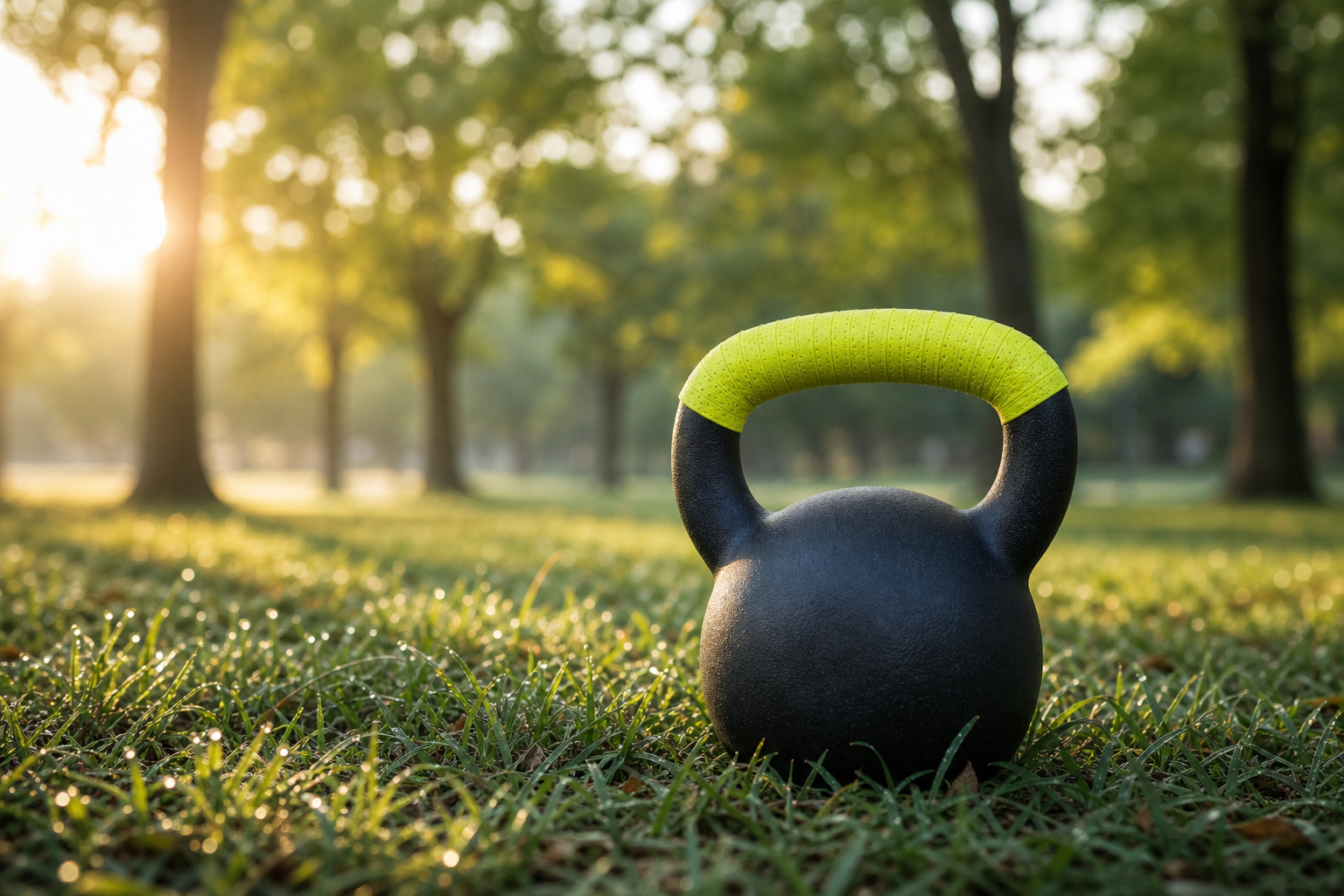

Offering outdoor sports coaching means opening a business with no rent, no lease commitment and no dependency on gym schedules. Parks, public gardens and natural spaces become your workplace, and the demand is there: over 100,000 sports educators hold a professional card in France according to the Ministry of Sports, and a growing share of them are choosing the outdoors as their primary setting. For an independent coach, this trend represents a concrete opportunity to expand your client base without investing in premises. This guide lays the groundwork: regulations, location scouting, equipment, pricing and seasonal management.
Why outdoor coaching is an opportunity for coaches
The first advantage is financial. Unlike home personal training, which involves costly travel time, or studio rental at €500 to €2,000 per month, outdoor sports coaching requires no rent at all. Your gross margin is higher from your very first client.
The second advantage is the format's appeal. Open-air sessions attract a wide audience: people who feel intimidated by gyms, clients tired of the treadmill, groups of friends or colleagues looking for a social activity. Fresh air, natural light and a change of scenery boost engagement. Studies published in Environmental Science & Technology show that exercising in natural environments reduces perceived effort and increases enjoyment.
The third advantage is flexibility. You choose your schedule, your locations and your formats without depending on a gym's availability. A neighbourhood park in the morning, a lakeside on weekends, a corporate garden at lunchtime: each spot unlocks a different client segment.
Permits and insurance: the regulatory basics
Before setting up cones in a municipal park, check three things.
Temporary public space permit
Running a professional activity in a public space requires a temporary occupation permit issued by the local council. The process is usually straightforward: a form to fill in, plus a copy of your professional card and insurance certificate. Some municipalities grant it for free, others charge an annual fee of €50 to €300. Contact your local sports or planning department for details.
Sports educator professional card
It is mandatory for any coach working for pay in France. Make sure your card is up to date and that your qualification (BPJEPS, STAPS degree, DEJEPS or CQP ALS) is registered on the EAPS portal. Practising without a card carries criminal penalties.
Professional liability insurance
Your policy must explicitly cover outdoor activities. Check that your contract mentions public spaces, not just professional premises. If you coach groups, the coverage must include third parties present in the area (passers-by, children, animals). The cost of a suitable policy sits between €200 and €400 per year.
Finding and setting up your training spots
Your choice of location shapes the client experience, session consistency and your ability to fill slots. Look for spaces that combine three criteria: accessibility (public transport, parking), sufficient flat ground (at least 50 m² for a group of 6) and minimal disruption (busy roads, off-lead dogs).
Urban parks
The most common spot. Identify flat areas away from playgrounds and busy paths. A shaded corner for summer and a nearby water fountain are real assets. Test the site at the time of your planned slots: a quiet park at 10 am can be packed at 6 pm.
Municipal stadiums or sports fields
Many municipalities offer fields on open access or by reservation. The upside: calibrated surfaces, maintained turf, sometimes changing rooms. The downside: limited slots, especially during local sports league seasons.
Waterfront locations
The environment is a selling point in itself. Sand adds extra difficulty for strength and running sessions. Watch out for wind, tides and beach-specific regulations (seasonal municipal bylaws).
Private outdoor spaces
A residential garden, a corporate car park, a hotel terrace: these semi-private spaces let you skip the public permit while keeping the outdoor advantage. Negotiate directly with the space manager.
The outdoor coach equipment kit
The goal is to fit everything in a single bag or foldable trolley, so you stay mobile and self-sufficient.
Essential kit (under €200)
- Resistance bands (set of 5 strengths): versatile, nearly indestructible and suitable for all levels
- Foldable exercise mats: one per participant, choose compact, water-resistant models
- Cones and markers: 10 to 15 units are enough to mark zones and set up circuits
- Timer or stopwatch app: essential for HIIT, Tabata and circuit training
- Compact Bluetooth speaker: music sets the pace and creates atmosphere
Advanced kit (€200 to €500)
Add a kettlebell (12 or 16 kg), suspension straps, medicine balls (3, 5 and 8 kg), a battle rope (if you have a reliable anchor point) and mini bands for hip and glute work.
Organisation and maintenance
Store everything in a wheeled sports bag or a repurposed foldable trolley. After each session, disinfect mats and handles with wipes. Keep equipment in a dry place to prevent mould.
Setting your outdoor session prices
Outdoor coaching is often perceived as less "premium" than a studio session, but your skills and time carry the same value. The challenge is to justify your price through coaching quality and the experience you deliver.
Individual outdoor sessions
- Recommended rate: €40 to €60/session (45 to 60 min)
- Pricing runs 10 to 20% below gym coaching, offset by zero rental costs
- Gross margin: higher than studio if your space costs more than €15/hour
Small group outdoor (3 to 6 people)
- Recommended rate: €15 to €30/person/session
- Hourly revenue: €45 to €180 depending on group size
- This is the most profitable format outdoors. See the guide to launching and profiting from small group coaching for a deeper dive into filling strategies.
Bootcamp (8 to 15 people)
- Recommended rate: €10 to €18/person/session
- Hourly revenue: €80 to €270
- A magnet format that generates local visibility and feeds your individual coaching pipeline
Always offer packages (10 or 20 sessions) rather than single-session sales: you secure revenue and boost retention.
Estimate your potential revenue based on your rates and group sizes.
Structuring an effective outdoor session
A well-built outdoor session follows a three-part rhythm. Plan 45 to 60 minutes total.
Warm-up (8 to 12 minutes)
Start with joint mobility (shoulders, hips, ankles), move into progressive cardio activation (high knees, butt kicks, light jogging) and finish with dynamic movements specific to the day's workout. Outdoors, warm-ups run longer than in a heated gym, especially in cool weather.
Main workout (25 to 40 minutes)
Vary formats so clients never get bored: circuit training one day, HIIT the next, an improvised obstacle course using street furniture the day after. Use natural landmarks (trees, benches, stairs) as reference points for exercises. Plan 3 difficulty levels per exercise to manage fitness gaps within a group.
Cool-down (5 to 10 minutes)
Static stretching, breathing exercises and a verbal recap of the day's progress. This closing moment is also when you collect feedback, announce the next session's theme and suggest booking the following slot. Make booking easy by using an online booking system designed for coaches accessible from the client's phone.
Adapting to weather and seasons
Weather is the main perceived barrier for clients. Your job is to turn this constraint into a strength.
Summer (June to September)
Shift your slots to early morning (7 to 9 am) or late afternoon (6:30 to 8 pm) to avoid peak heat. Enforce hydration every 10 minutes. Favour shaded spots and reduce intensity by 15 to 20% above 30 °C. Keep a first aid kit with cold compresses.
Autumn and spring
The ideal seasons for outdoor coaching: mild temperatures, pleasant light, quieter parks. Use them to launch new slots and capitalise on the back-to-school wave (September) or fresh-start resolutions (March).
Winter (December to February)
Do not suspend your sessions. Adapt them: longer warm-ups (12 to 15 minutes), sustained intensity to keep body temperature up, shorter cool-downs to avoid chilling. Ask clients to dress in three layers (technical base, insulation, windbreaker). Have a covered fallback location (shelter, covered car park, building lobby) for heavy rain or frost days. A clear cancellation policy (free cancellation on orange weather alerts, for example) reassures clients and reduces no-shows.
How Ekklo helps you manage outdoor sessions
Managing slots spread across multiple locations, with variable group sizes and unpredictable weather, calls for the right tool. Ekklo centralises your session planning, online booking and payment tracking in a single app. You create a "Bootcamp Central Park, Saturday 9 am" slot, your clients book in one click, and you see in real time how many spots are filled.
Automatic notifications remind clients 24 hours before the session, reduce absences and let you send a last-minute message if the venue changes. Create your free account and try managing your next outdoor sessions.
Key Takeaways
- Outdoor sports coaching eliminates rental costs and reaches clients who do not go to gyms.
- A temporary occupation permit and outdoor-specific liability insurance are the two legal prerequisites before starting.
- A starter kit under €200 is enough to run quality sessions in a park.
- Group formats (3 to 15 people) deliver the best hourly revenue outdoors.
- Adjust your schedule and intensity to each season to keep your activity running year-round.
Frequently Asked Questions



The app for fitness coachespoweredbyClaude


Manage your clients, payments, and programs from one single platform. Spend less time managing and more time coaching.