CrossFit nutrition: coach guide for performance and monitoring
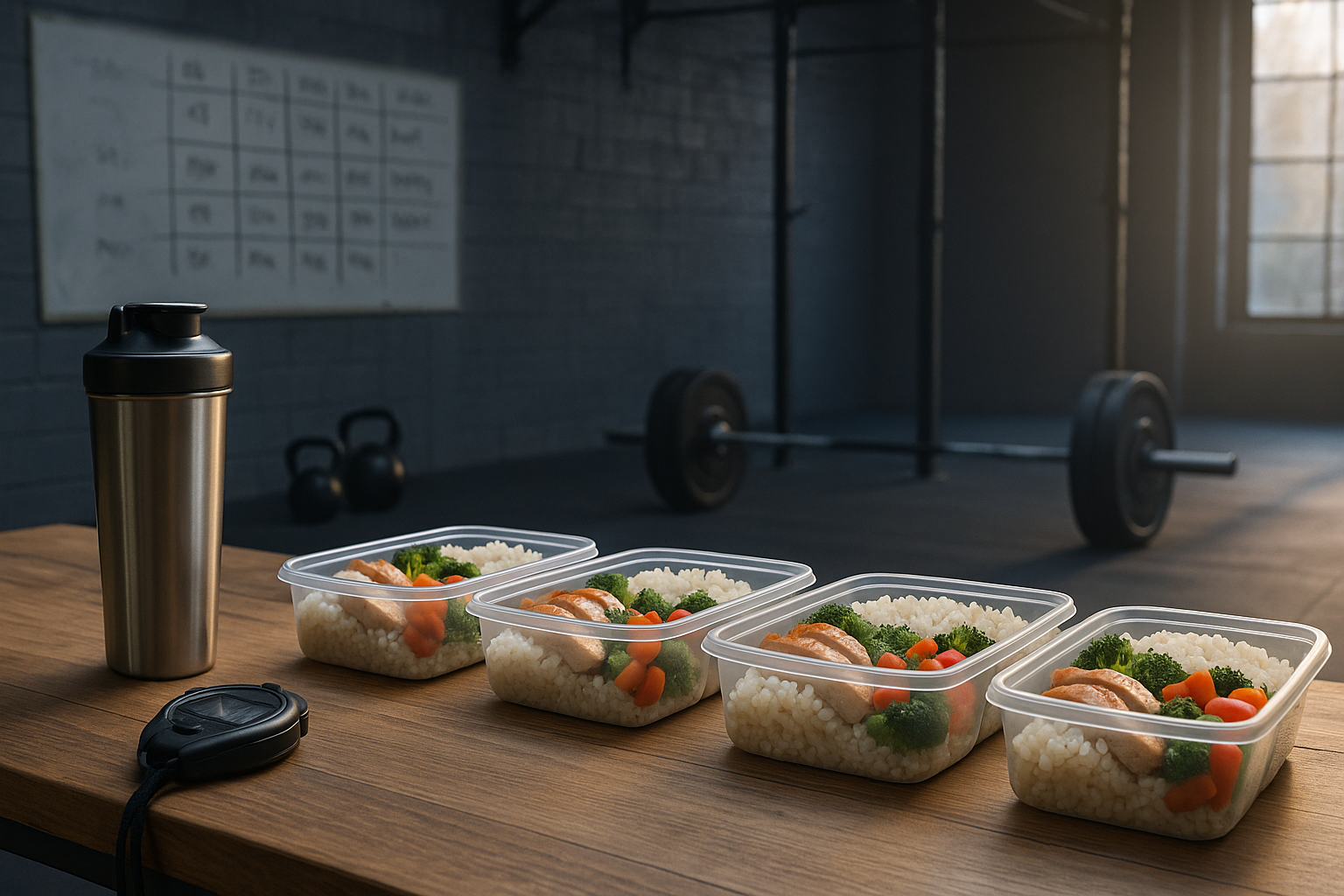

CrossFit nutrition is as much a performance lever as it is a tool for recovery and adherence to the program. This guide gives you a clear method, concrete examples and an organization that is simple to deploy, while showing how to centralize your monitoring on EKKLO.
Why CrossFit nutrition is different
WODs that are very demanding on energy
WODs alternate intense efforts, heavy loads and variable volumes. The CrossFit diet must therefore cover peaks of power and glycogen, without hampering digestion.
- High intensity = priority need for quality carbohydrates.
- Mechanical load = sufficient protein needs to repair.
- Variability = weekly adjustments according to volume and fatigue.
Recovery, nervous system and injuries
Prolonged calorie deficit impairs recovery. Insufficient protein intake prolongs DOMS and impairs progression. A lack of electrolytes promotes cramps and reduced coordination.
- Target 1.6-2.2 g/kg/d of protein depending on volume.
- Adjust carbohydrates around key sessions.
- Secure sodium/potassium/magnesium on hot days or during double sessions.
The signals to listen in your athletes
- RPE and performance that drop several days in a row.
- Heart rate variability (HRV) persistently decreasing.
- Compulsive hunger, broken sleep, irritability or repeated injuries.
5-step method for regulating diet
1) Evaluate the level, objective and context
Define an objective at 8-12 weeks (performance, recomposition, fat loss) and note constraints: schedule, budget, preferences, digestion. A simple questionnaire on the athlete side is enough.
Tip: centralize your questionnaires and session schedules in the same place to save time and stay consistent with the training program via EKKLO. To automate reminders and your check-ins, also see how automate your coaching business.
2) Estimate caloric and macronutrient needs
Starting point (to be adjusted according to feedback and data):
- Calories: estimated TDEE ± 10-15% depending on objective.
- Proteins: 1.6-2.2 g/kg/d.
- Lipids: 0.8-1.0 g/kg/d minimum for hormonal balance.
- Carbohydrates: the rest, taking into account the volume (heavy days = more carbohydrates).
Guidelines: if the athlete stagnates for 2 weeks (weight, RPE, PR), adjust in steps of 100-150 kcal.
3) Structure the day around training
- Pre-WOD (2-3 h): complete meal (slow carbohydrates, proteins lean, moderate lipids).
- 30-60 min before: light digestible snack (banana + yogurt, compote + whey, homemade bar).
- Intra (if >60 min or heat): water + electrolytes; fast carbs if needed.
- Post-WOD (0-2 hrs): 0.3 g/kg protein + 0.5-1 g/kg carbs, then full meal.
4) Hydration, electrolytes and sodium timing
Sweating in a box can be enormous.
- Aim 30-40 ml/kg/d as a base, plus 0.5-1 l/hour of effort.
- Add 500-1000 mg of sodium during hot/long sessions.
- Magnesium in the evening for sleep and neuromuscular relaxation.
5) Adjust with carbohydrate loading cycles
On heavy weeks, slightly increase the carbohydrates 1-3 days before tests/competitions. During discharge weeks, lower them moderately to stay in energy balance.
Typical food plans according to profiles
These models are basics. Personalize according to weight, tolerances and preferences.
Fat loss while remaining efficient
- Moderate deficit (300-400 kcal/d), no more.
- High protein (2.0-2.2 g/kg), carbohydrates aligned with WOD days.
- Ex: WOD day: rice + poultry + vegetables, fruit snacks + skyr; off day: more vegetables, slightly higher lipids.
High volume, performance objective
- Slight hypercalorie (200-300 kcal/d) on load blocks.
- High carbohydrates, especially around the WOD; moderate lipids.
- Useful liquid snacks (smoot hies, drinkable yogurts) for digestibility.
Masters: priority recovery and sleep
- Proteins 2.0 g/kg, omega-3, magnesium, vitamin D if deficient.
- Post-WOD snack rich in slow carbohydrates for stabilize blood sugar levels in the evening.
Vegetarian / Vegan and CrossFit
- Combine legumes + whole grains; monitor leucine.
- Supplement often useful: B12, D, algal omega-3.
- Prefer tofu/tempeh/seitan, lentils, chickpeas, complete vegetable proteins.
Tools and indicators for reliable monitoring
The right KPIs to follow every week
- Weight and measurements (once/week upon waking up).
- Performance (PR, WOD time, bars, gymnastics), RPE.
- HRV/sleep (if watch/ring) to anticipate fatigue.
- Nutrition adherence (percentage of meals respected).
A diary simple and actionable food
Prioritize simplicity: 3-5 photos per day + quick notes on satiety, energy and digestion. This is enough to adjust. Avoid micro-counting if the athlete gets lost.
Qualitative feedback: the key to personalization
Ask 3 questions each week:
- Energy on WODs (0-10)?
- Hunger/cravings (0-10)?
- Sleep/DOMS (0-10)?
Adjust the distribution of carbohydrates around the WOD first before touching on calories.
Automate check-ins, reminders and documents
Schedule reminders for meal photos, weigh-ins and quizzes. Share menus, shopping lists and planning via a single platform. Centralize everything in EKKLO. To create ready-to-sell packages, see also how create attractive offers and packages.
Organization on the coach side: save time without losing personalization
Reusable “80/20” menu templates
Create 3 templates: fat loss, active maintenance, performance. Divide them into 2,000 / 2,400 / 2,800 kcal, then adjust in blocks of ±150 kcal.
Pack “training + diet + monitoring”
Assemble: WOD plan + CrossFit diet + weekly check-in. Clearly present: objective, deliverables, deadlines, communication rules. Cash out and track in EKKLO.
Pricing and perceived value
Show value: measurable progress, time saved, fewer injuries. Offer an entry point (plan + monthly check-in) and a premium offer (plan + weekly check-in + unlimited adaptations).
Communication and messages
Set up a dedicated channel for meal photos, quick questions and post-WOD feedback. Respond in fixed time slots to avoid mental load.
To remember
- Structure around WODs: carbohydrates before/after, daily proteins, hydration.
- Monitor a few indicators, but every week.
- Adjust in small steps (±150 kcal) after 10-14 days.
- Simplify adherence with templates and a photo journal.
- Centralize questionnaires, payments and messages on EKKLO.
Practical case: 4 weeks before a WOD hero
Week 1: audit and base
- Questionnaire, weight, measurements, current PR, HRV/sleep.
- Setting up the template according to objective and volume.
- Digestive check: adjust fiber and lipid timing if heavy.
Week 2: sharpening the timing
- More carbs 60-90 min before key WOD; test of a simple intra if session >60 min.
- Immediate post-WOD: protein + carbohydrates; dinner lighter in lipids if sleep is fragile.
Week 3: carbohydrate micro-loads
- 24-48 hours before the test: +10-15% carbohydrates, especially easy starches.
- Hydration + calibrated sodium (sweat, heat, duration).
Week 4: tapping and routinization
- Training volume down; stable intakes.
- Breakfast identical to day D (zero digestive surprises).
- Rituals (measured caffeine, warm-up, known snack).
Expected: stable energy, excellent digestion, better sensations in the last third of the WOD.
Conclusion and next step
What you win by structuring the CrossFit diet
- WODs executed better, PRs that rise more often.
- Fewer injuries and faster recovery.
- Athletes who stick because the plan is simple and adapted.
How to get started today
- Choose a template (loss, maintenance, performance) and adapt to the nearest 150-300 kcal.
- Set up a photo journal + 3 weekly questions.
- Centralize schedules, questionnaires, payments and messages on EKKLO.
Resources to go further
- Optimize your monitoring on the hardware and apps side: use technology to optimize your sessions.
- Find out how EKKLO helps you create offers, plan, track progress, collect and communicate: EKKLO.




The app for fitness coachespoweredbyClaude


Manage your clients, payments, and programs from one single platform. Spend less time managing and more time coaching.